Skip to content
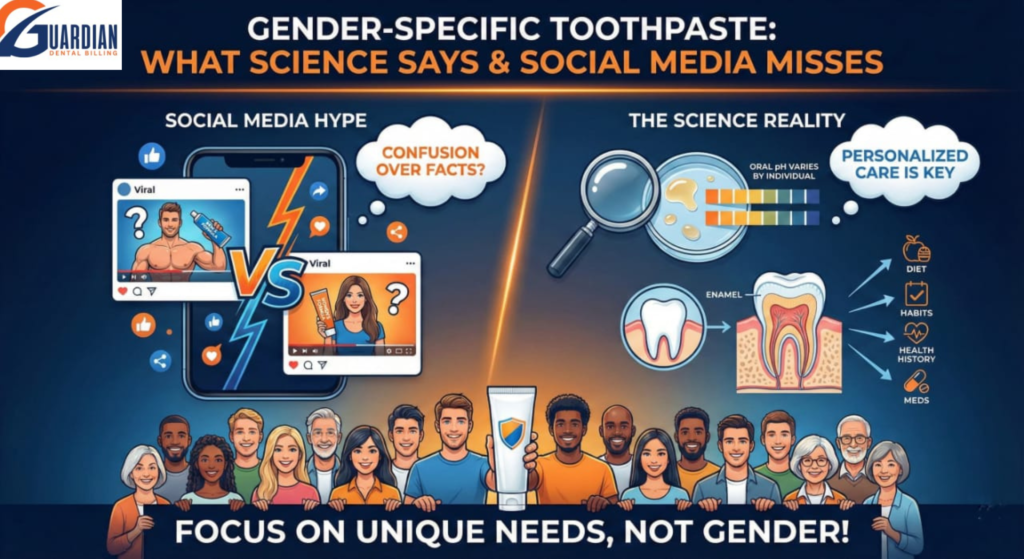
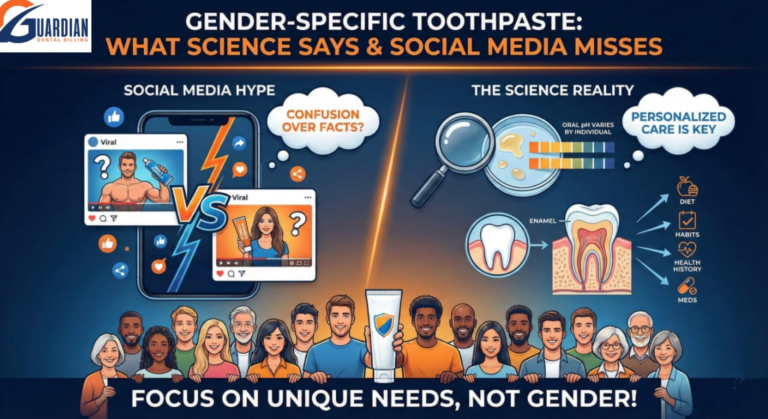
After some videos went viral claiming that men and women require different toothpaste formulas, gender-specific toothpaste is the main topic of dental conversations. Patients wonder about it, brands react quickly, and dentists are explaining the science that is behind the headlines. It sounds like a modern and personalized topic, but the truth is that it is not very different.
The conversation about this issue is a call for more understanding, not for more confusion. Comprehending the origin of the assertion enables the patients to take more informed oral hygiene decisions.
The Science Behind Saliva and Oral pH
The idea that different toothpastes should be used for men and women respectively because of the difference in the composition of saliva is really fascinating. Research indicates that women may have more acidic saliva than men, on average. A number of times menstruation, pregnancy, and menopause are occasions when hormonal changes can affect oral pH temporarily. In addition, some medications, dry mouth, and acid reflux can alter the pH of the mouth.
An acid mouth can gradually remove the enamel on the teeth, cause sensitivity, and cavities if other factors coexist. At least this part is really science. However, the differences are generally very small, and the difference between individuals is much greater than that between genders.
So, personalized oral care is at this point very crucial. Personal habits, diet, medical history, and hygiene routines are way more significant than gender.
Why Gender-Based Toothpaste Is Not Clinically Needed
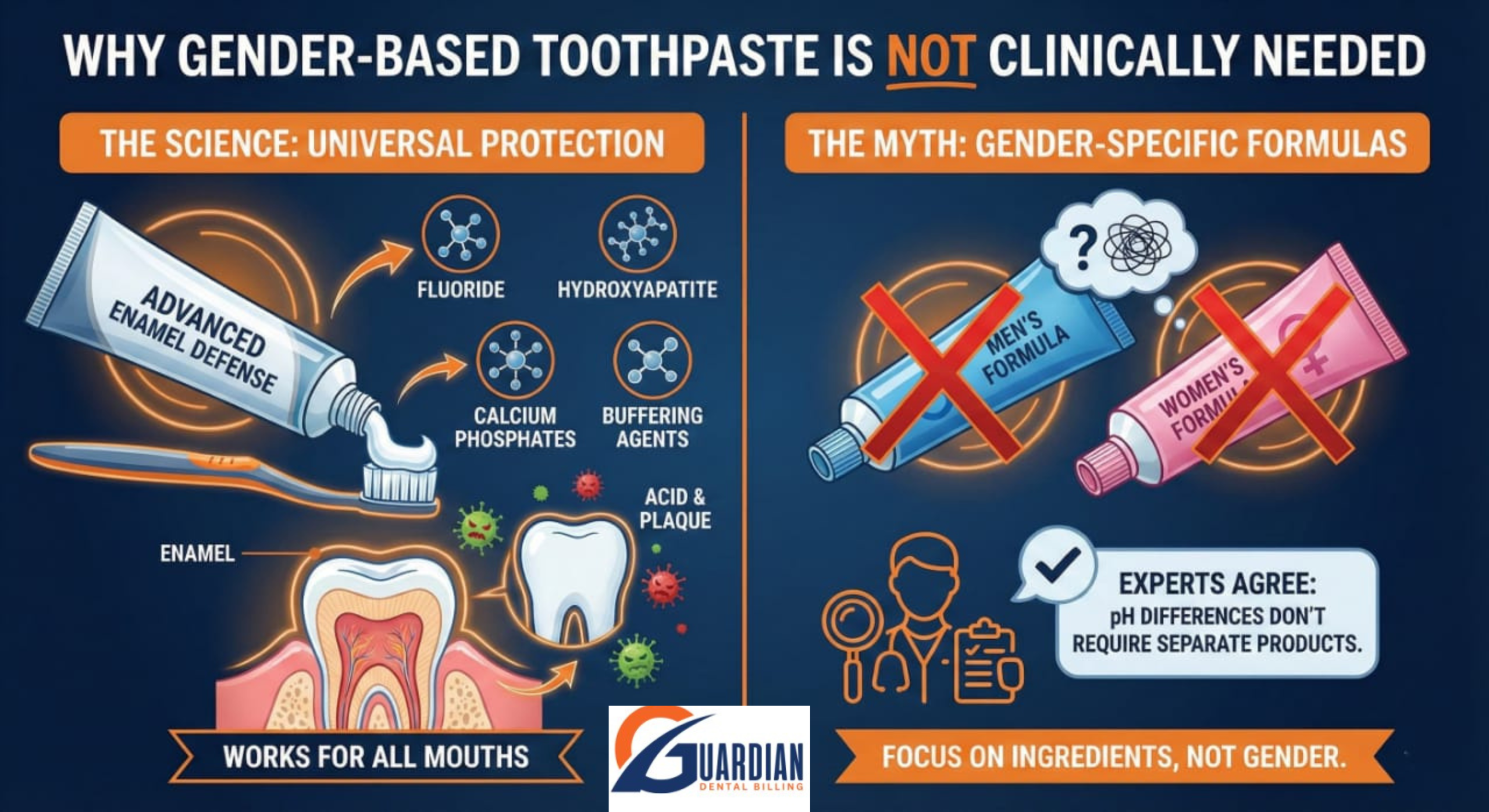
The issue with gender-specific toothpaste is not the components. Already, modern toothpaste is aimed at acid attacks. Fluoride, hydroxyapatite, calcium phosphates, and buffering agents work together to make enamel stronger and also allow for remineralization of the teeth in all mouths.
Oral care products are made to guard the enamel layer of a tooth, no matter who is doing it. An excellent formula will react to acid, plaque, and bacteria. It will not react to gender. Medical practitioners in oral health care also hold the same view that differences in saliva pH do not warrant the creation of separate toothpastes for males and females.
Toothpaste Marketing Myths and Viral Influence
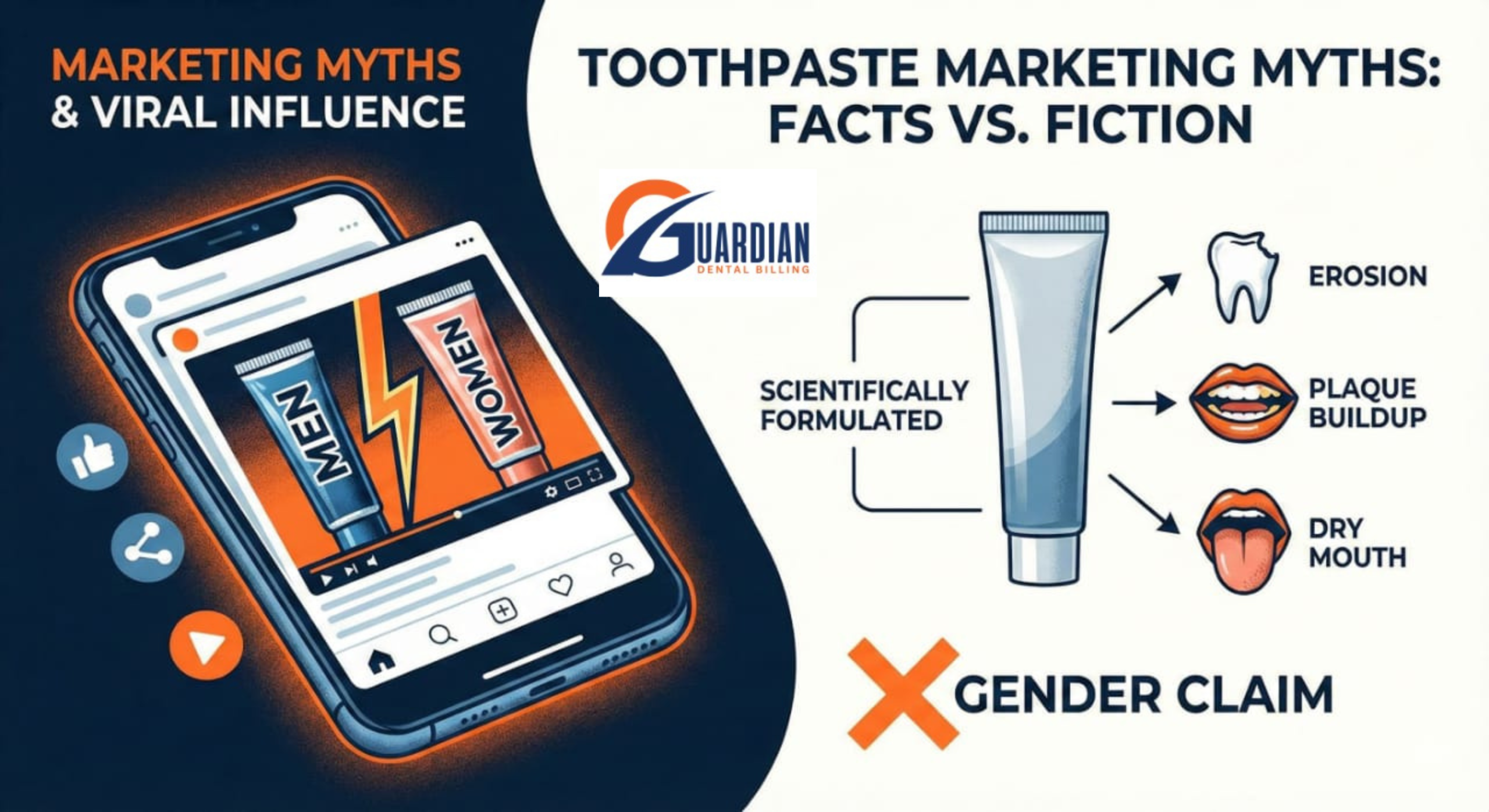
Social media makes complex topics seem simple very quickly. A viral video will be seen by a lot of people in a very short time span as compared to a detailed explanation of oral biology. This, in turn, has led to an increase in space for toothpaste marketing myths.
Different brands are now promoting products that are bold, heavily branded and are targeted either towards men or women. This is the point at which gender-specific toothpaste becomes a means of promotion just like any other product instead of a health care tool. Even though these products may be safe, the gender-specific toothpaste claim by itself doesn’t have any scientific backing.
Users frequently believe that gendered products function better. Actually, these products take the attention away from the primary risk factors such as erosion, plaque buildup, and dry mouth.
A Smarter Alternative: Customization Without Gimmicks
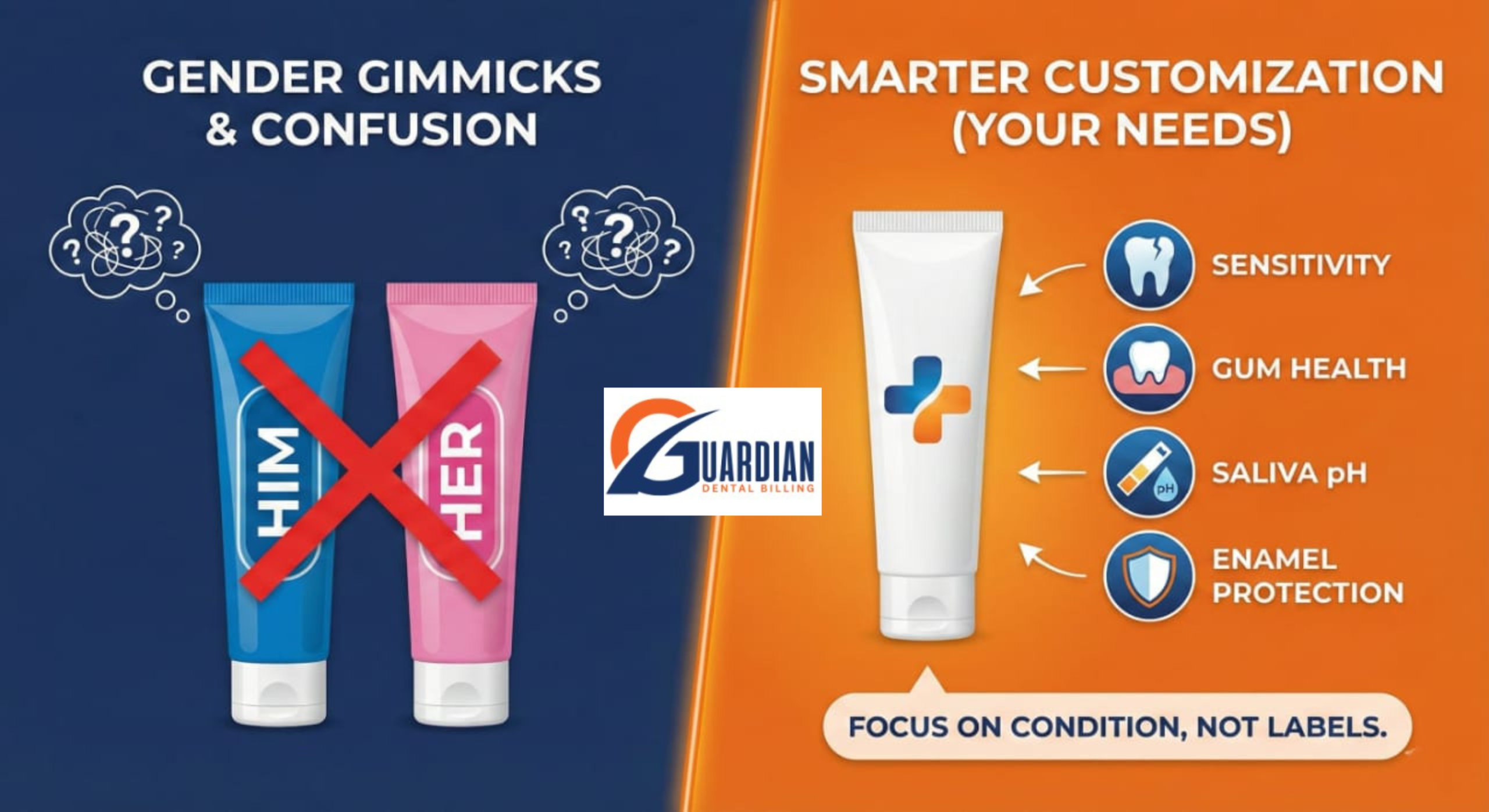
Rather than using gender-specific toothpaste, dentists advise selecting things by the condition of one’s oral cavity. Those who have sensitive teeth, enamel erosion, a high sugar diet, bruxism, or acid reflux will be well served with the right toothpaste ingredients. The situations of life such as pregnancy or menopause that may necessitate concentrating on the health of gums and moisturizing. Testing the pH of saliva may be a means to the selection of products when it is necessary. Such a way of giving oral care is a brand-new level of care without confusion.
Personalization should lessen the amount of guessing instead of creating new labels.
The Dentist’s Role in Cutting Through the Noise
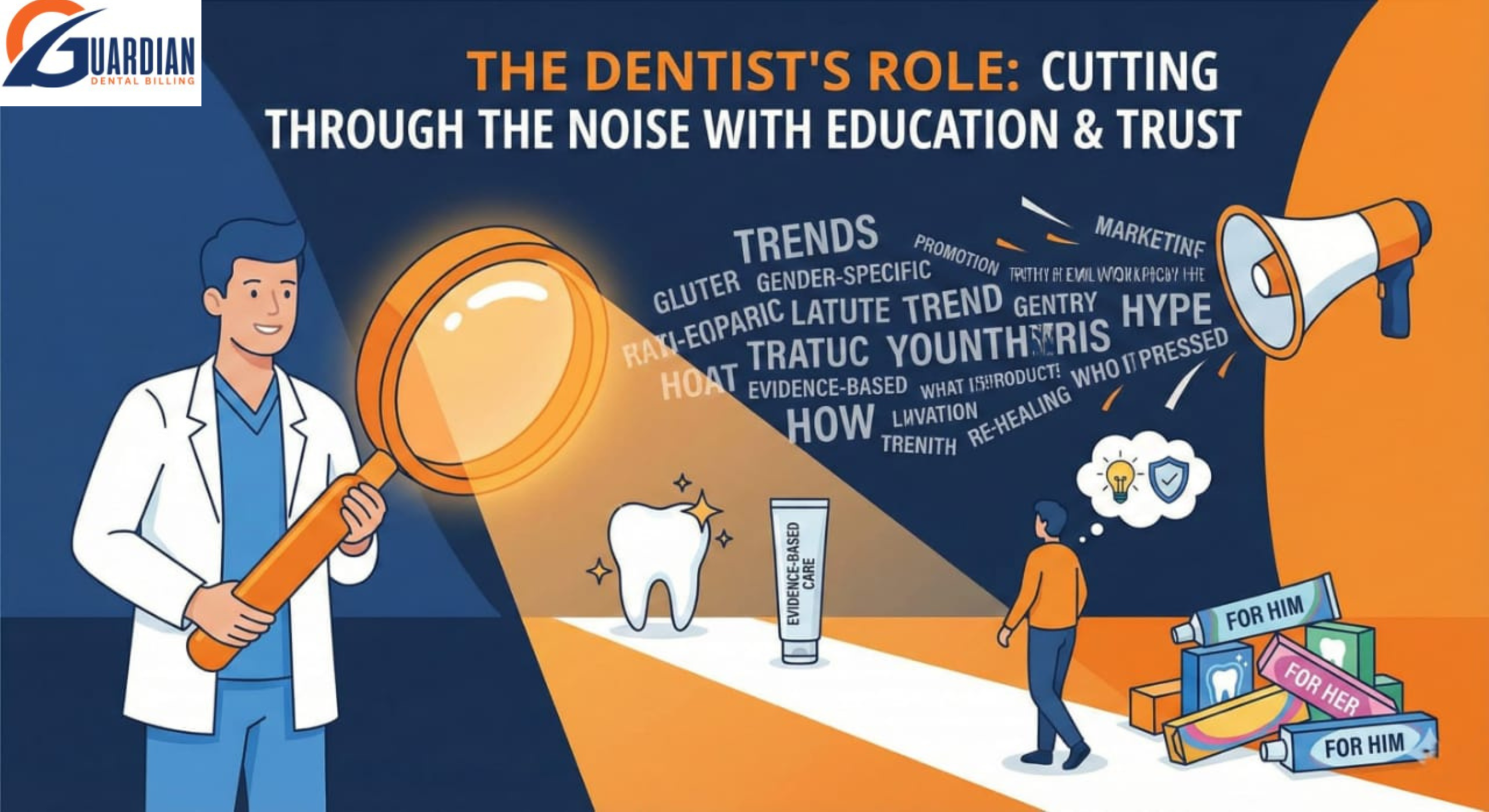
Nothing would be more appropriate than dentists explaining the uselessness of gender-specific toothpaste. They do so by emphasizing biology, habits, and risk assessment, thus enabling patients to detach themselves from the noise and to embrace evidence-based care.
Trust is the result of education. Once patients are aware of the working of toothpaste, they are in a position to make more rational choices and to be immune to the trends.
Final Thoughts: Focus on the Mouth, Not the Marketing
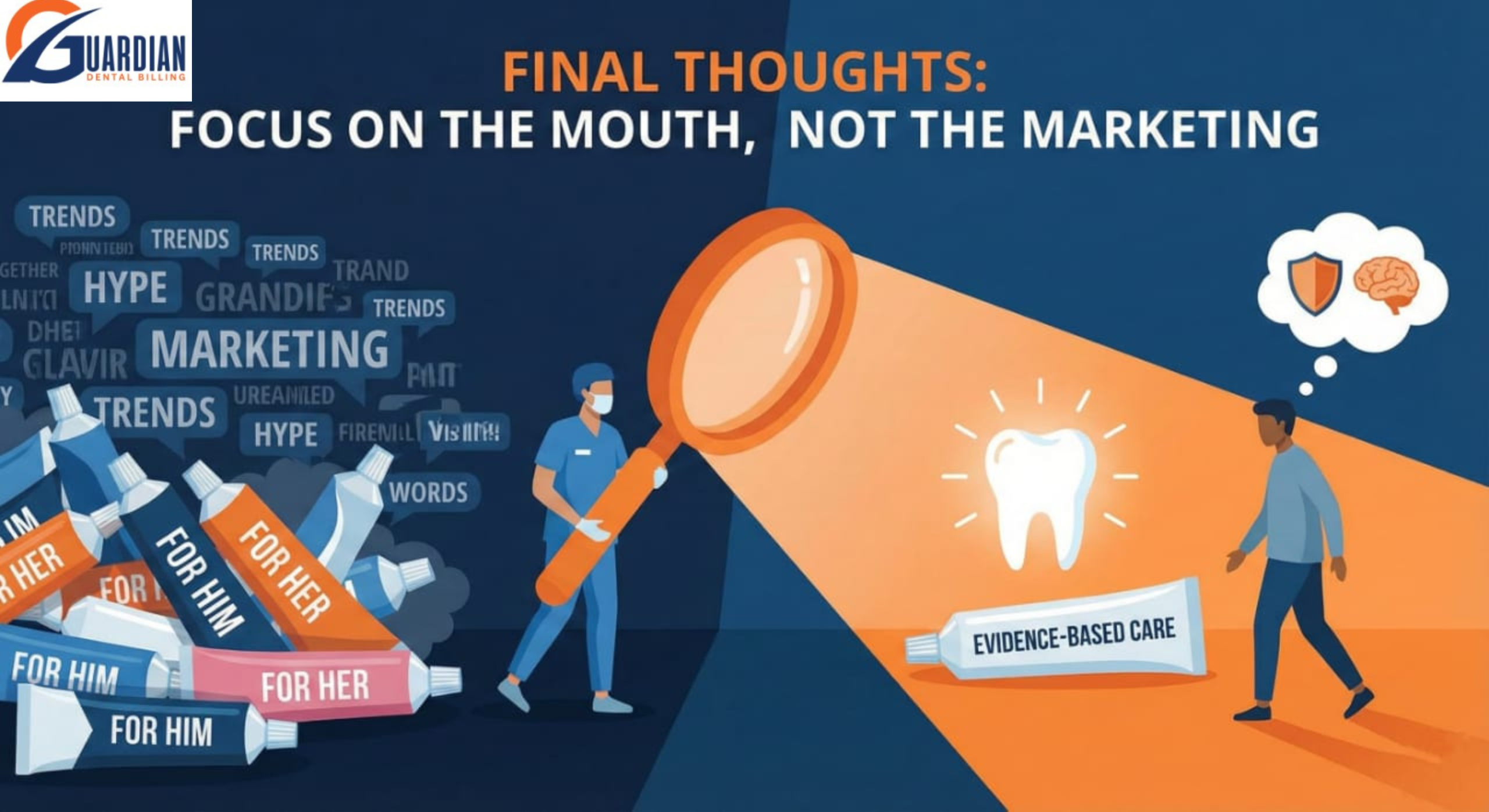
The reality of gender-specific toothpaste is quite simple. A toothpaste does not require a gender. It just has to be suitable for the mouth that it is going to. When people select products based on the actual needs rather than the brand, dental health gets better.
If the marketing of toothpaste is able to confuse people so much, then it actually makes one think about a lot of other dental products that are chosen for their looks rather than their scientific features. Honest and straightforward advice will always be more effective than a sudden popularity.