Patient Responsibility – New York State Medicaid is a major source of funding for addiction and mental health services throughout the state. If you’re a provider in behavioral health, you’ve probably heard the terms Article 31 and Article 32. These regulations determine how agencies are licensed, how services are delivered, and—most importantly how Medicaid payments work. Let’s break everything down in a simple, human-friendly way.
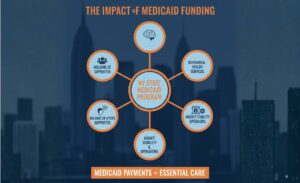
An overview of the Medicaid program in New York State
Millions of people in New York are supported by the Medicaid program, which pays for necessary medical costs. Drug use and mental health treatments are made possible by Medicaid funding for behavioral health providers. Understanding payment structures helps agencies maintain their financial stability and operate effectively, despite the system’s apparent complexity.
An overview of Articles 31 and 32
Explain Section 31: Article 31 applies to organizations licensed by the New York State Office of Mental Health (OMH). These experts offer mental health services such as therapy, psychiatric assessments, and crisis intervention.
Medicaid Payments‘ Significance for Behavioral Health Professionals
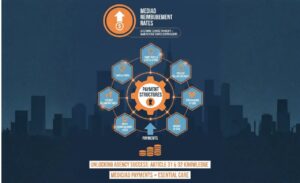
The Function of Reimbursement Rates
The amount Medicaid pays for each service is determined by reimbursement rates. Medicaid is the main source of income for a lot of providers.
The Significance of Payment Structures
Agencies benefit from having a thorough understanding of Article 31 and Article 32 payments.
Continue to comply
Boost the rates of reimbursement
Improve the standard of care
Article 31 Payments Explained
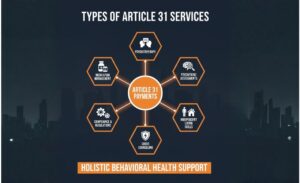
Types of Services Covered
Article 31 payments apply to services such as:
- Psychotherapy
- Psychiatric assessments
- Independent living skills
- Crisis counseling
- Medication management
How Rates Are Calculated
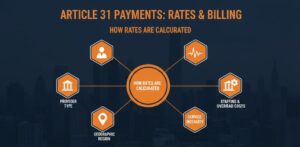
NYS uses several factors to determine rates:
- Provider type
- Geographic region
- Service intensity
- Staffing and overhead costs
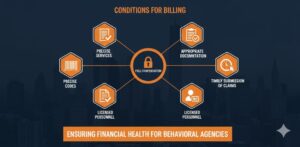
Conditions for Billing In order to be fully compensated, Article 31 agencies must guarantee the following:
Precise service codes
Appropriate documentation
Licensed personnel provide authorized services.
timely submission of claims
Article 32: Outlines the Payment Process for Covered Addiction Treatment Services
Outpatient SUD treatment is covered by Article 32 reimbursement.
Treatment with medication assistance (MAT)
Detoxification services
Inpatient treatment
Rehabilitation services and peer support
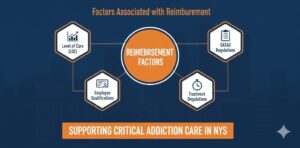
Factors Associated with Reimbursement
The level of care (LOC) determines the payment levels.
Employee qualifications
Treatment duration
OASAS regulations
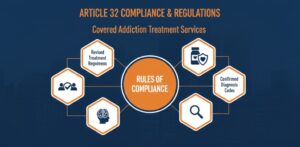
Rules of Compliance
Facilities are subject to stringent regulations, such as:
Revised treatment regimens
Confirmed diagnosis codes
Evidence-based provision of services
Regular clinical documentation
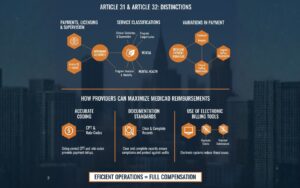
Article 31 and Article 32 Distinctions Payments, Licensing, and Supervision
Article 31 → OMH Article 32 → OASAS Service Classifications
The clinical guidelines, supervision, and structure of mental health and SUD services are different.
Variations in Payment
Although Medicaid rates are used in both, the formulas differ according to:
Modality of treatment
Program categorization
Clinical staffing requirements
How Providers Can Maximize Medicaid Reimbursements
Accurate Coding
Using correct CPT and rate codes prevents payment delays.
Documentation Standards
Clear and complete records ensure compliance and protect against audits.
Use of Electronic Billing Tools
Electronic systems reduce:
- Human error
Duplicate claims
Rejected submissions
Common Challenges with Article 31 & 32 Billing
Claim Denials
Often caused by:
- Missing notes
- Incorrect codes
- Eligibility issues
Problems with Authorization
Pre-authorization is necessary for some services; failing to do so results in unpaid claims.
Risks of Audits
To avoid fines or reimbursements, providers must adhere to all Medicaid regulations.
The Best Ways to Process Medicaid Payments Efficiently
Staff Training Updates to Article 31 and Article 32 regulations must be understood by billing staff.
Assurance of Quality – PR 31 Patient Responsibility Denial Code
Frequent audits guarantee:
Precision
Conformity
Effective billing procedures
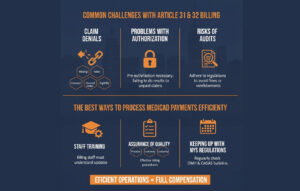
Keeping Up with New York State Regulations
Providers should regularly check OMH and OASAS bulletins because policies are subject to frequent changes.
NYS Medicaid Payment Models’ Prospects
Trends in Value-Based Payments
Value-based care, in which payments are based on patient outcomes rather than service volume, is still being pursued in New York State.
Funding for Behavioral Health in the Modern Era
Expect:
- Increased digital health support
- Enhanced telehealth reimbursement
- Improved integration of physical and behavioral healthcare
Conclusion
Understanding New York State Medicaid Article 31 and Article 32 payments is essential for providers offering mental health and substance use disorder treatment. With proper documentation, accurate billing, and ongoing compliance, organizations can maximize their reimbursements and continue delivering quality care to communities across the state.
FAQs
- What is the main difference between Article 31 and Article 32? PR 31 Patient Responsibility Denial Code
OMH’s Article 31 addresses mental health services, while OASAS’s Article 32 addresses addiction treatment.
2.Do Article 31 and Article 32 have different reimbursement rates?
Indeed, depending on the type of service and legal requirements, each system has a unique rate structure.
- Is it possible for a provider to possess both Article 31 and Article 32 licenses?
Indeed, some organizations treat co-occurring disorders through dual-licensed programs.
- What makes Medicaid payments crucial for mental health professionals?
Since Medicaid frequently provides the majority of funding, accurate billing is crucial for maintaining financial stability.
- How can providers lower the number of denied claims?
through ensuring timely submission, accurate coding, and better documentation.